
Lughnasadh and the Harvest of Belonging
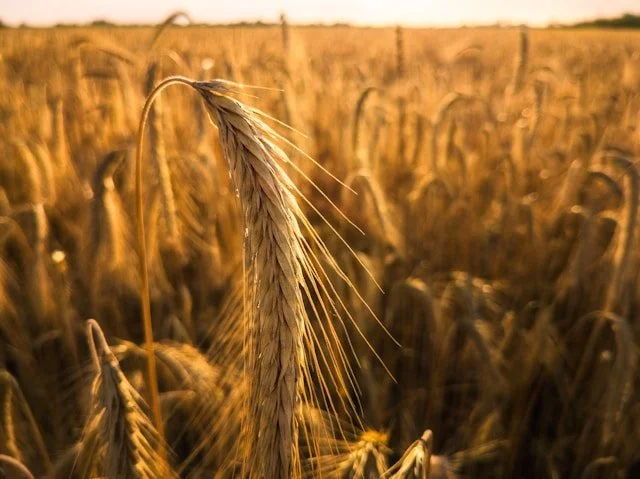
Photo by Lukasz Szmigiel on Unsplash
Every generation inherits a field it did not sow. Every generation makes what choices it can about what to harvest, what to replant, and what to return to the earth. Yet not every generation, nor every part of every generation, inherits the same freedom to choose. Power, war, law, economics and history can narrow the field, disrupt the harvest and create fear and scarcity where there might otherwise have been abundance. Natural disasters can strike, often exacerbated by how humans have been treating the land and the waters.
Harvest operates at different levels. We can get tangled up in where roots begin and end, what to take and what to leave, whether there will be enough for me and mine. We can also absorb the idea that, if we’re not farmers, harvesting is something other people do and control, and nothing to do with me.
As I’ve been wandering the streets of Belfast during the Fleadh, I’ve been reflecting on the harvest of music that has been offered out so abundantly, joyfully and freely for all to share. I find myself connecting into what Lughnasadh/Lughnasa/Lúnasa might have to offer in this story. It’s not an accident that both these things happen in August.
Traditionally, this is a time of harvest: the beginning of August offers a threshold between growing and gathering, a moment to pause, regroup and celebrate before the work of the harvest begins in earnest. Generations ago, people in this part of the world celebrated together by dancing, feasting, singing and playing games on hilltops and by rivers and wells. Fires were lit and marriages made. Gratitude and coming together in dúchas (carrying meanings of inheritance, belonging, rootedness and something handed down through generations) and meitheal (showing up for one another to do the work) were the order of the day. That spirit of belonging and reciprocity, with each other and with the earth, light and water, provided sustenance till the harvest was done, and into the dark half of the year. I caught glimpses and echoes of that spirit continuing in the easiness and agelessness of the music spilling out through Belfast from 2-9 August.
I was reminded of our need for ritual and joy and music and showing up for each other.
For those few days, the city felt different. Music was everywhere in streets, libraries, parks, pubs, halls and unexpected spaces. Traditional tunes met new compositions and arrangements. Irish music met jazz, rock and other influences from both on and beyond these shores. The echoes of ancient harpers permeated the streets. People came together, not to defend some imagined purity of lineage, but to participate, listen, play, dance, create and explore. What is there to harvest here?
The Fleadh offered a glimpse of what happens when tradition is understood as something living rather than something to be guarded, or guarded against
It was strikingly different from the atmosphere of the outpourings Belfast had experienced in June.
I don't want to romanticise either the festival or the city. A few days of music cannot undo histories, inequalities or divisions, and there were certainly blindspots in evidence on all sides. For example, I was really disappointed to see a billboard advertising ‘the greatest rebel concert ever’ in Falls Park, when a much more inclusive message could have benefited us all. Still, a glimpse of something beyond old wounds and grievances was very much in evidence in all kinds of expected and unexpected places.
Lúnasa is a time for recognising that a harvest is always so much more than the sum of its parts. What we gather to sustain us is never produced by us alone, and there are mysteries beyond us, and tunes tumbling through time, that call to be honoured - mysteries of seed and rain and soil and light in just the right combinations, that we can hope for but never fully predict. Sometimes seeds fall on stony places and their potential is never reaped. But in every lifetime there are moments of passage ‘when hope and history rhyme’
Because harvest has become so disconnected from the seasons by modern practices, we can easily forget the mystery and magic surrounding how the earth gives food and becomes our bodies, and how the work and stories and songs of those who went before are etched into the landscape and written into the soil – and how all of this is beyond politics and beyond words but no less real for that. We gather, consume, narrow our field of vision and move on, without acknowledging the countless relationships that make each harvest possible.
Yoga has taught me to pay attention to relationship: between breath and body, effort and surrender, stillness and movement, self and other, sound and silence. The more I practise, the less convincing the idea of separateness becomes. I am not an isolated self having an experience of the world - I am part of a web of relationships that is continually shaping me.
Modern life too often has us ask: What belongs to me? Dúchas invites another question - to what do I belong? It provides an opportunity to reflect on how our inheritance has shaped us in the past, what it has closed down to us, and whether old hurts and stories need to continue showing up, and being harvested, and sent inward and out into the world in the same way.
This is one reason Lughnasadh feels important to me now. Not because I imagine an ancient past without violence, exclusion or hardship. I don't. Nor because I believe that observing an old festival will somehow restore a world we have lost or make all the pain go away.
But it does provide an opportunity for ritual and remembrance to interrupt other forgettings, and open up space for something else, both ancient and new to come through. It can create a pause in which we encounter something we have become too busy or hurt or insular to notice. We can move beyond everyday practices and words and seemingly rational behaviours of what harvesting justice might look like to reclaim more symbolic depths and possibilities for living now.
Leaning into other ways of knowing, we can take ourselves back to a field at dusk 1000 years ago and understand why the first sheaf is sacred and why the first loaf matters. The physical work of the harvest may finish or the meitheal of the fleadh subside, but the relationships are still written on the landscape. The reciprocity created through that work remains and becomes part of the city and part of the memory of a place.
The harvest is not something we store away and protect. We thresh it. We winnow it. We keep the seed. We bake the bread. We share it.
It’s not simply about what I have gathered or what could I gather, but what will I do with it?
What is worth keeping?
What needs to be released or left to the land?
What might become nourishment for someone else?
What seeds am I scattering without knowing where they will land?
These questions feel particularly important in a time when so much of our collective story is still shaped by fear, scarcity and separation.
I belong to a place. To people. To seasons. To breath. To the living world. Belonging, properly understood, widens circles of togetherness. It is not a claim of ownership, but a commitment to relationship.
So this Lúnasa, I am asking what kind of harvest I am helping to create.
What am I tending?
What am I taking?
What am I giving back?
What am I remembering?
And what am I still forgetting?
May our practice of yoga keep widening the circle of belonging. May gratitude become reciprocity. May we have the humility to receive wisdom without needing to possess it. And may the seeds we scatter - through practice, relationship, music, kindness and love - find good soil in places we may never see.
Mary O’Rawe
