

Gratitude and Yoga
In this wide-ranging article, Yogacharya Michael McCann reflects on the power of gratitude; the importance of giving thanks without end-gaining; and the beauty of cultivating the Brahma Viharas.

Muladhara - grounding in the power of four
We climb the ladder of the chakras, from muladhara towards sahasrara and enlightenment. In the same way that we would ensure a ladder is situated on level ground, in our life and in our practice we must ensure that our connection with the root chakra is stable, strong and fully anchored.
As the Yoga Fellowship approaches its 50th anniversary, Suzanne Greenwood examines the grounding power of four in muladhara and how we can apply this to continue to strengthen our Sangha in preparation for the years to come.
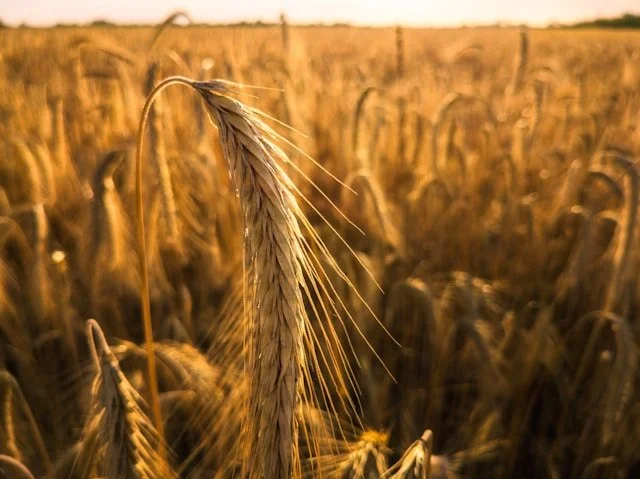
Lughnasadh and the Harvest of Belonging
Every generation inherits a field it did not sow. Every generation makes what choices it can about what to harvest, what to replant, and what to return to the earth. Yet not every generation, nor every part of every generation, inherits the same freedom to choose. Traditionally, this is a time of harvest: the beginning of August offers a threshold between growing and gathering, a moment to pause, regroup and celebrate before the work of the harvest begins in earnest. In her journal post, Lughnasadh and the Harvest of Belonging, Mary O’Rawe considers the symbolism of harvest and how yoga practice can widen the circle of belonging and help us reflect on the sowing and reaping we do in our own lives.
Guru and viveka
Guru Purnima is a religious festival that falls on the full moon day during June or July according to the Hindu calendar. At a time when we celebrate our teachers, both spiritual and academic, Suzanne Greenwood examines our relationship to the idea of Guru in the West.
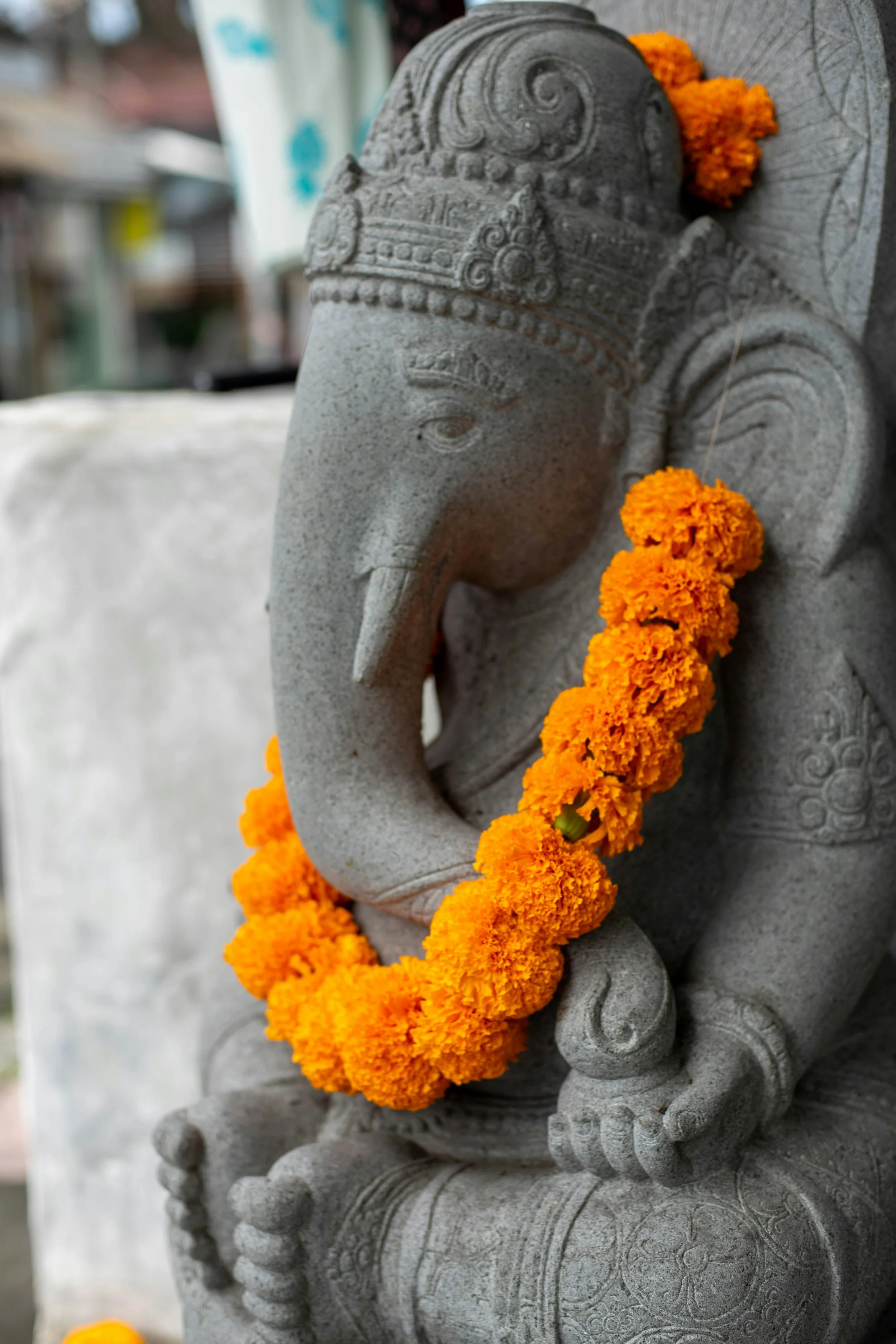
A Garland of Gratitude
On International Day of Yoga, may we offer this garland of gratitude to the people of India for the priceless gift of Yoga to Humanity.
May we always honour and respect it; and preserve it in unsullied form for uplifting the future generations.
World Environment Day 2026: A Yogic Call to Wonder
Yoga reflects the importance of balance as harmony within, among and between inner and outer worlds. When greed, dissociation, overconsumption, and disregard for natural limits dominate human behaviour, these are symptoms of us being lost on the inside and systemic ecological imbalance follows. The ‘climate crisis’ is a sanitised and dissociative way of naming our loss. It calls insufficiently clearly for external action (but what, after all, is truly external). It misses the need for inner transformation, for recognising sustainable living begins with a recognition that there’s only one of us here.
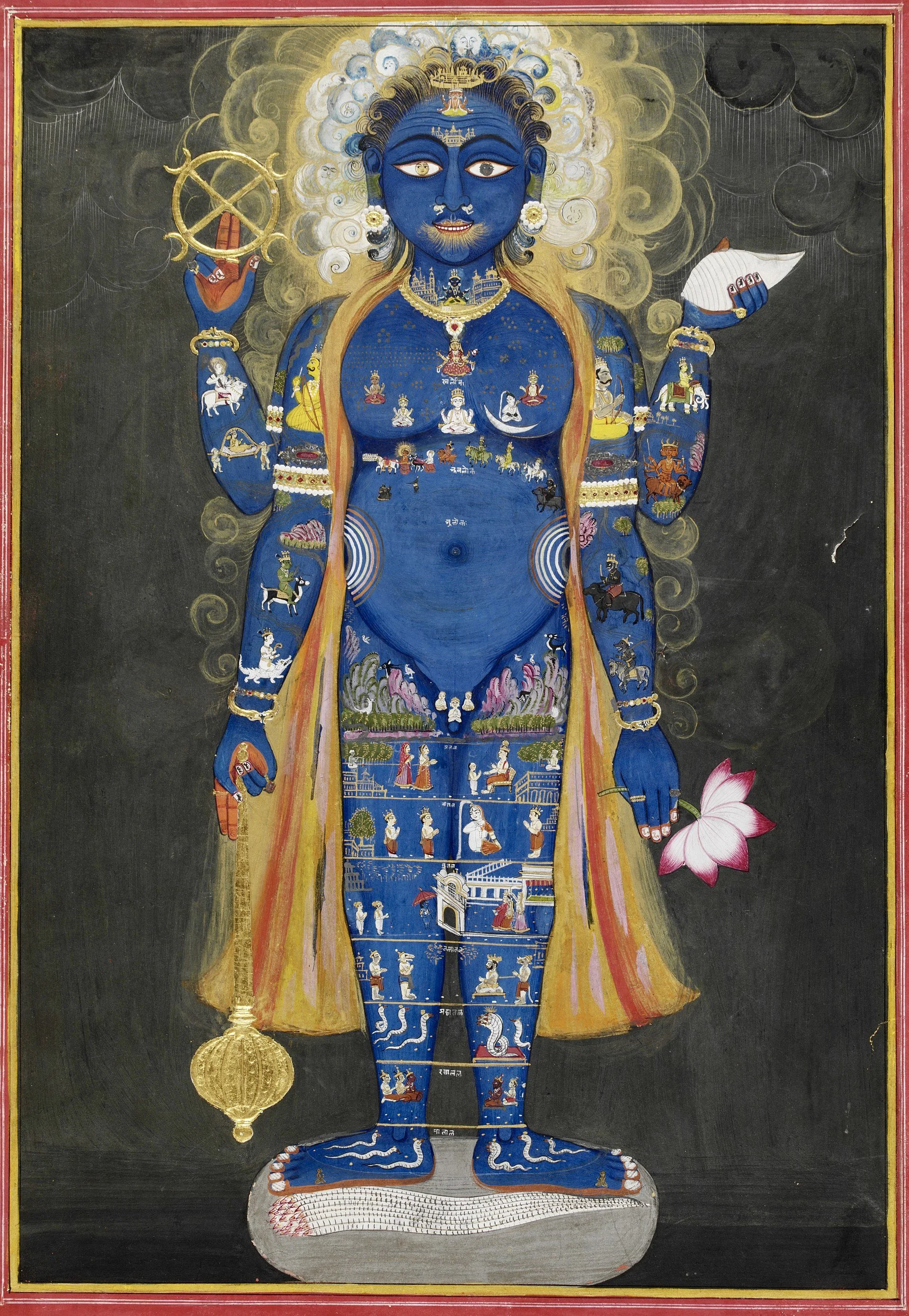
The Transformative Symbols of Yoga
Each yoga asana is in its essence a symbol: its name is by no means arbitrary, and indeed hints at its inner meaning, whether it is an animal, plant, bird or geometrical shape.
Moreover, not only is the asana a symbol which may be reflected upon intellectually, but the practitioner is invited to ‘enter it’ and to experience it organically and existentially in the timeless here and now and indeed to become one with it, “the dancer becoming one with the dance” to paraphrase Yeats.

Living gently with the Earth
22nd April 2026 marked Earth Day. The theme this year was Our Power, Our Planet. This in itself invites many layers of reflection and provides the opportunity to seed an extra layer of awareness into our yoga practice - every day! Earth Day invites the kind of attention that is less about marking a date and more about remembering a relationship. In yoga, we might recognise this as a return to bhūmi, the ground of being, not only beneath our feet but within our awareness.
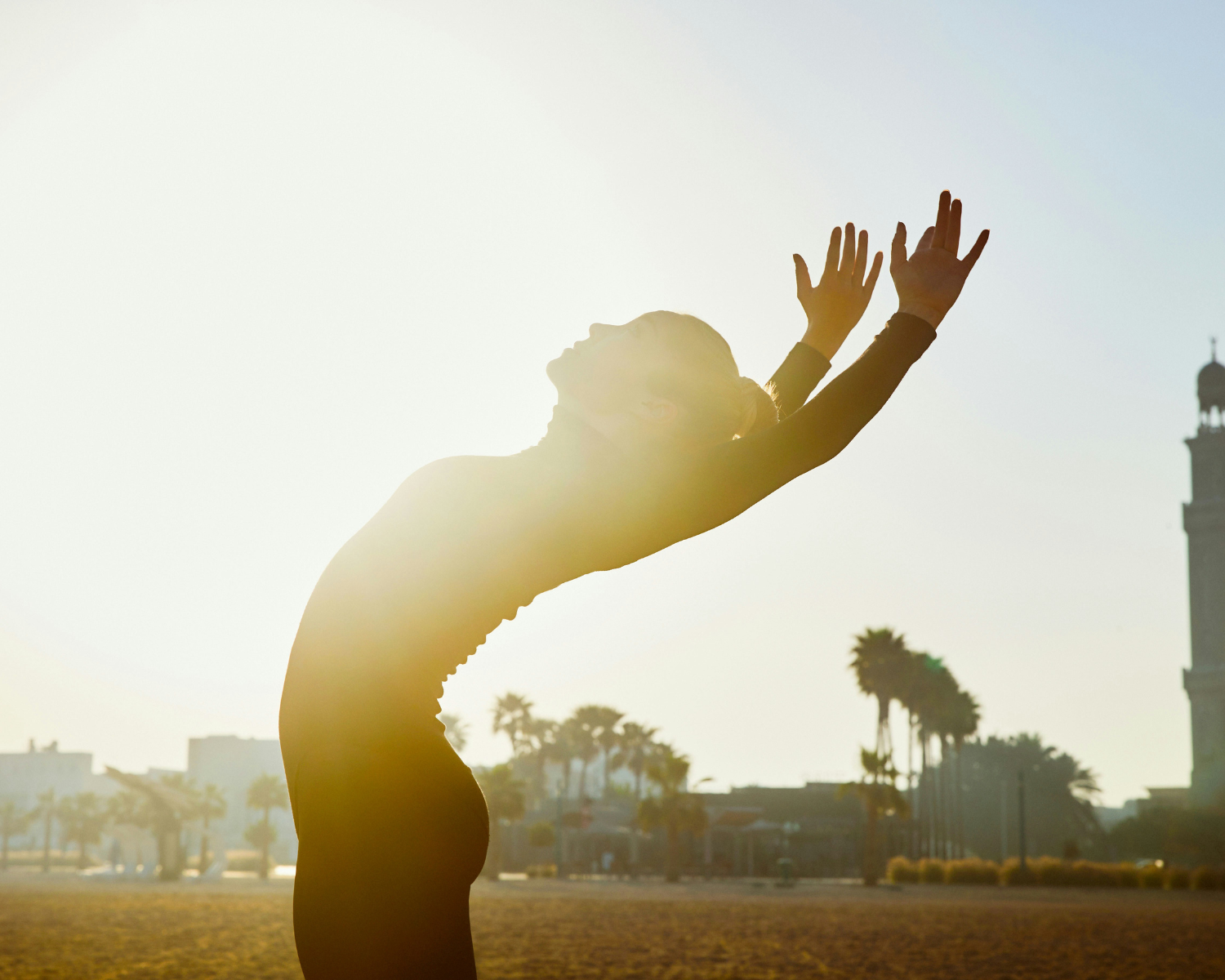
Awareness of Light is the Light of Awareness
Spring is a beautiful time of renewal when we get a sense of the freshness of deep-down things. As the sun climbs higher in the sky, light spills from the heavens above, and we see everything more clearly. It is as if the external sun generates inner illumination also.
This article on the the awareness of inner light looks at how to work with Surya Namaskara, the Vedic solar mantras and the chakra focus for each posture.

The Whispered Wisdom of the Upanishads
The Upanishads are the essence of Yoga wisdom.
They are time capsules containing the deepest insights of rishis, yogis and seers in the period of the ‘Great Awakening’ some 500 years or more before the Christian Era.
They are epiphanies, lightning flashes that scorched hearts, and then solidified into engravings on birch bark and then onto the printed page.
We are looking forward to reading and discussing the Kena Upanishad in our final book club meeting of the season.