
Yoga as a mirror on life – or perhaps a laboratory?
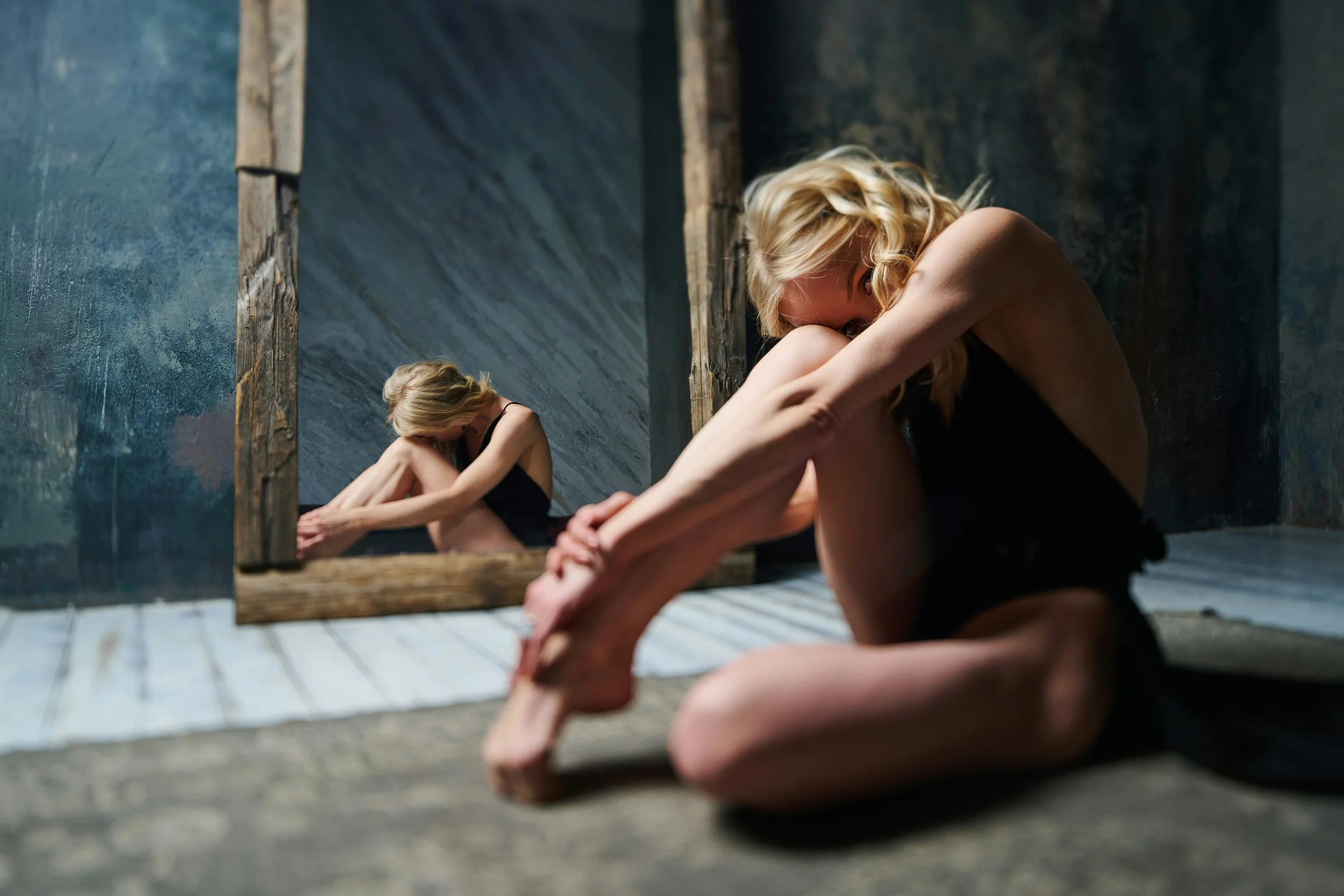
Photo by Vladimir Fedotov on Unsplash
As a student within the Iyengar yoga tradition, it is usual that we focus quite a lot on āsana practice. I think perhaps there is a perception in the wider yoga community that this is all we do. In fact we are clear that the āsana practice is set in the full context of yoga as a path to freedom, and this is what I wanted to explore to some degree in my October workshop for the Yoga Fellowship members and guests. Here I offer my personal perspective on yoga practice.
From the beginning…
I love that the first word in Yoga Sūtras of Patañjali is atha – now. Right now. In this moment. In this very moment we can practice yoga, union. With this breath, and this one. And this step onto the mat. And so we begin….
What is yoga?
The second and third sūtras state:
1.2 yogaścittavṛttinirodhaḥ
1.3 tadā draṣṭuḥ svarūpe'vasthānam
Yoga is to still the fluctuations of the mind and thereby we can rest into our soul, the intrinsic nature of which is peace and bliss, and so we attain self-realisation, liberation, joy and connection.
The nature of the mind is that it grazes, jumping from thought to thought, one shiny thing after another, one dopamine hit to the next. There’s no surprise the way social media apps give us little highs and alerts, encouraging us to scroll. Such are human brains, even as written about over two thousand years ago!
How do we create this stillness of mind?
Patanjali’s sūtras and other texts offer many paths up the mountain to liberation, from devotion to God to intellectual knowledge, or meditation on an object of focus, whether on mantra or contemplation of the breath after exhalation.
One way offered is the eightfold path of yama (self restraints), niyama (community observances), āsana (posture), prāņāyāma (mastery of the breath), pratyahara (withdrawal of the senses), dhāraņā (concentration), dhyāna (meditation), samādhi (absorption of consciousness) – in reality not a ladder of experience but petals of the same flower (sūtra II.29).
This is where āsana practice comes in.
Puruṣa & prakŗti
In the yogic tradition, the universe is comprised of puruṣa = pure awareness, innermost conscious self or soul, and prakŗti = the physical material of the universe, which in this case includes the mind (and conceivably in Western medical tradition also – all our thoughts are in the functioning of neurons after all).
The mind – citta - is defined as being made up of buddhi, ahaṅkāra & manas
Sense organs (eyes, ears etc) deliver sensory input to manas – the aspect of Mind which recognises patterns
Manas considers this and delivers to ahaṅkāra, the ego, which has the function of thought, self-identity (influenced by saṃskāras = previous imprints/experiences/memories)
…which then delivers to buddhi, the discriminatory aspect – the highest level of Mind and necessary to be able to eventually recognise puruṣa
Hence we need to still the fluctuations of the citta – a stormy sea does not reflect the light of the moon after all - so that we can clearly recognise and abide in our own true nature.
The nature of prakŗti
The sūtras then describe that prakŗti is like a rope of three strands, the guņas = sattva, rajas & tamas. The qualities of which are:
Sattva lucidity, tranquillity, wisdom, happiness, clarity
Rajas grasping, fieriness, energetic endeavour, power, restlessness
Tamas ignorance, delusion, lethargy, apathy
So if we need the Mind to become quieter, we need to develop sattvic qualities. Of course we need some rajas and tamas in our lives. Without rajas we wouldn't have the drive to get off the sofa and do anything, and without tapas we wouldn't ever rest.
And where do we, as embodied humans, easily access and recognise the guņas? In our bodies!
Hence āsana and prāņāyāma become two possible (of many) routes to balancing out the guņas, finding more sattvic energies, allowing the mind to become quiet, and allowing the natural light of the soul to shine through.
II.46 sthira sukham āsanam
One of the few sūtras to even mention asanas is often translated as finding stability and ease in the yoga pose. We could also add steadiness of intelligence, delight in the heart and benevolence of spirit.
As we practice, we learn the traits of the various asanas, what actions are involved and what resulting responses are there from the body, mind, or heart? There might be frustrations, fear, anger, joy, pleasure all experienced during practice of different poses. We resist some and are drawn to others. Gradually we learn to approach all with equanimity.
We might have very strongly felt benefits from types of poses, for example standing poses to feel confidence, forward bends for calm, backbends to take the mind within, supported poses for relaxation and assisting the breath. In such a way we can discriminate and find what our body/mind/soul might need in any one moment, and in so doing bring the mind to focus and calm as the consciousness expands throughout our whole physical embodiment.
In the workshop we therefore practiced a few asanas together considering our approach, sharing what we could feel, and tried subtle adjustments to bring extra freedom to the organic body or focus to the mind.
In this way, yoga on the mat becomes an exploration and investigation, as described:
1.17 vitarka vicāra ānanda asmitārūpa anugamāt saṁprajñātaḥ
Analytical study and meditative reasoning allow us to comprehend bliss and the experience of pure being, and we practice with detachment from the results as indicated in a preceding sūtra 1.12.
Applying this in everyday life
These trial-and-error practices are of course a lesson in life. How often do we need to make the same mistake until we learn from it? We learn to take time to observe action and response rather than instantaneous reaction. With experience, we can live more lightly without grasping for certain outcomes, but acting generously, wisely and with love to benefit both ourselves and the world, whether or not there is an immediate ‘result’.
And so we start to experience glimpses of bliss and samādhi and find more joy, freedom and connection in our lives and relationships with those, and the world, about us.
This I wish for you and for all beings, everywhere.
With deep gratitude to all my teachers within the Iyengar community and beyond. Translations taken from BKS Iyengar’s book Light on the Yoga Sūtras of Patañjali.
Claire Ferry
