
An Introduction to Mudra
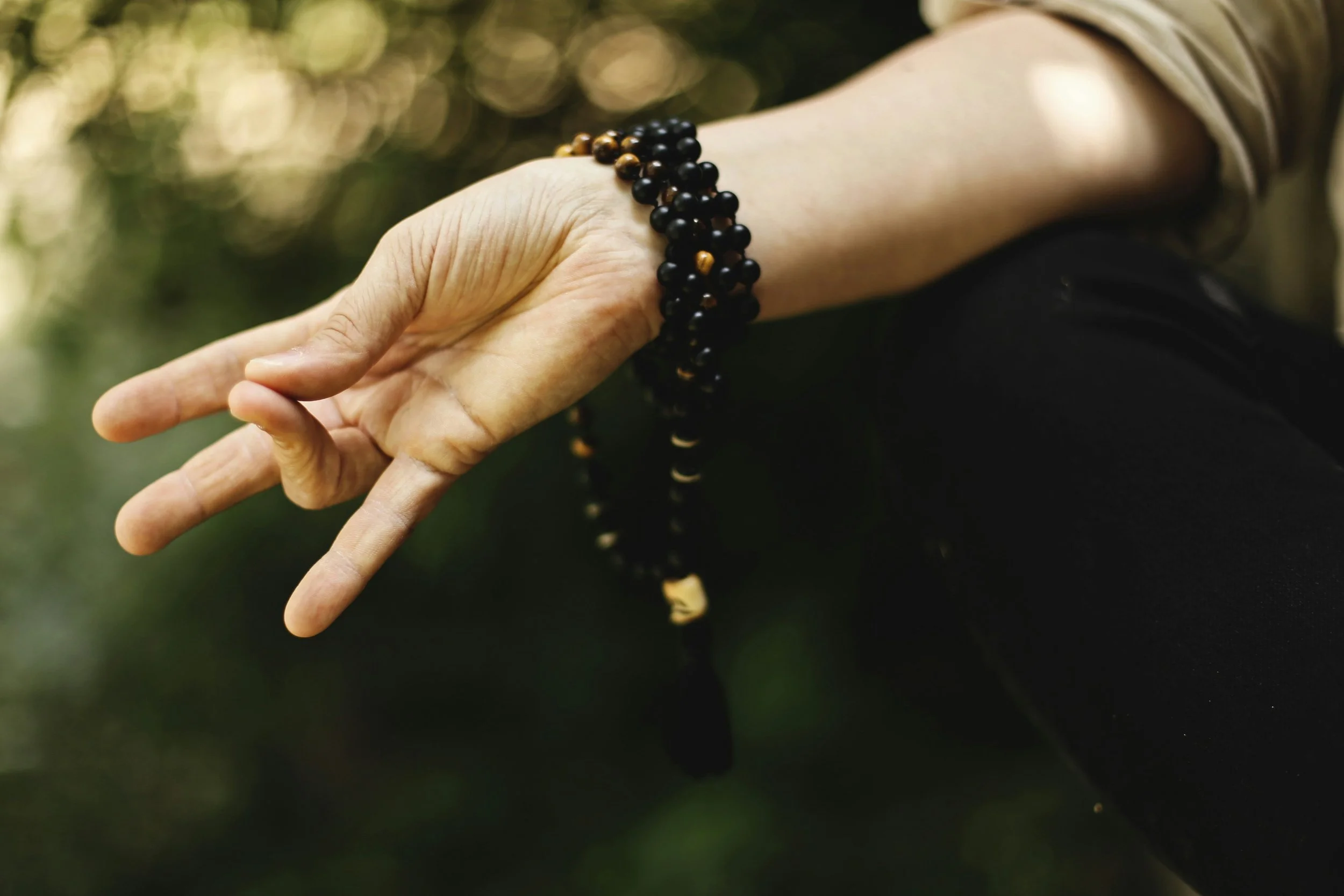
Photo by Ksenia Makagonova on Unsplash
Yoga teachers should have a sound grasp of what is meant by “Mudra”. It is a fascinating subject and is an underlying principle of Yoga.
The word Mudra means a “sign”; a symbol; an attitude; or a seal.
Mudras can include: dance mudras (as used by Indian dancers), devotional mudras, pranayama mudras, postural mudras, and meditative mudras. Mudras are said to balance the connections between the first three koshas in particular: physical, energetic (pranic), and mental.
Mudras also promote health, balance the brain hemispheres, and, as a seal, prevent dissipation of energy from the fingers. Mudras help to re-direct and channel prana, especially the fall of prana from higher to lower chakra levels.
Mudras are integrating,and they re-focus prana and consciousness inwards to induce pratyahara and prepare us for meditation.
Hatha Yoga Mudras
In the practice of HA-THA Yoga, Mudra falls into the following categories:
Head mudras, performed by the various sensory organs in the head and face region, such as eyes, tongue and ears
Hand mudras
Postural mudras
Lock or bandha mudras
Perineal or adhara mudras
Head Mudras include: shambavi mudra (eyebrow gazing); nasikagra mudra (nosetip gazing); kechari mudra (touching upper palate with underside of tongue); and shanmuki mudra (closing of seven gates). These are all important means of inducing pratyahara and opening us up to mediation.
Hand Mudras include: jnana mudra, chin mudra, Vishnu mudra etc.
Postural mudras employ the whole or greater body, and include, Prana Mudra, Vipaeeta Karani Mudra (inverted half shoulder-stand) and Yoga Mudra.
Locked Mudras combine bandhas and mudras, and are used in advanced Yoga practice.
Perineal Mudra includes aswhini mudra and vajroli mudra - practices to stimulate and seal prana in the lower chakras, and to prepare for moola bandha.
Mudra as Attitude/Sign
Mudra also means “sign or attitude” and communicates deeply on a non-verbal level, for example, abhaya mudra or anjali mudra. In a sense, the asanas of Yoga and the “symbolical gestures” of the Sun Salutation sequence are, in essence, mudras.
In “Hatha Yoga: The Hidden Language”, Swami Radha observes:
As an asana is perfected through practice, at a certain stage it becomes spiritual, a mudra. The word “mudra” means “a seal, a sealing posture”. The royal houses and nobility use seals to signify their position and authenticity. In ancient times the seal was the confirmation of the sender of a message. The human body is also a seal. We have to discover what is sealed up, what is the secret behind the seal. To do that we must begin deciphering what the body conveys.
The “secret behind the seal” is of course the symbolic meaning of the asana because, as we have seen, mudra means “sign, attitude or symbolic gesture”.
OM TAT SAT.
Michael McCann
